
Understanding the Aftermath: Key Books on the 2021 U.S. Withdrawal from Afghanistan | A Reading List
The following list of books (nonfiction, fiction, and poetry) discuss the events leading up to, during, and after the western pullout of Afghanistan in August 2021.
With the departure of American forces in Afghanistan, the Taliban took control of the country with unexpected speed. In August 2021, the Taliban had seized their first province, and, by August 15, Kabul fell. Here are books that detail, observe, and try to understand the depth of this transition.
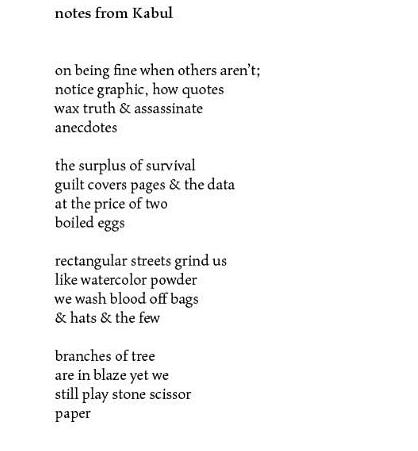
Disbound: Poems by Hajar Hussaini (2022)
Disbound: Poems by Hajar Hussaini is a powerful collection that explores themes of displacement, identity, and resilience through the lens of personal and collective history. Afghani poet Hussaini draws upon the experiences of war, migration, and the fragmentation of self that comes with leaving one’s homeland.
This collection of poems delves into memory, language, and the struggles of belonging, weaving together personal narratives with political undertones. Disbound reflects the complexities of life in exile and the longing for connection, offering both an intimate and universal portrayal of survival, grief, and the search for home.
Read if you like: Afghan literature, Diaspora literature, Personal/political narrative, Migration and survival, Poetry
August in Kabul: America's Last Days in Afghanistan by Andrew Quilty (2022)
“To the world, Kabul in August looked like Saigon in 1975.” As one of the last Western journalists to stay back, Quilty’s book showcases the fall of Kabul through the eyes of Afghans left and abandoned. About the book, he shares:
“I had a rough idea of the kinds of characters I wanted to find in order to best provide a diverse range of perspectives on the events of those days. It was particularly important for me to be able to describe this tumultuous time from both sides of the conflict. The Taliban’s victory made this more achievable than ever; whereas once their fighters lived in hiding, deep in areas that were extremely difficult and dangerous for outsiders to reach, now they were happy to talk and their districts and provinces were open and relatively safe to travel to.”
Read if you like: Memoir, Stories, Journalism, War reporting, Historical nonfiction, Human rights narratives, On-the-ground accounts
My Pen Is the Wing of a Bird: New Fiction by Afghan Women by Afghan Women (2022)
My Pen is the Wing of a Bird: New Fiction by Afghan Women is a collection of translated short stories showcasing the voices of Afghan women writers, presenting their unique perspectives on life, identity, and resilience. Through a variety of narratives, these stories delve into personal and societal challenges, capturing the complexities of Afghan culture and the struggles faced by women in a changing world.
The anthology not only highlights the talent of its contributors but also serves as a powerful testament to the strength and creativity of Afghan women. It emphasizes their determination to reclaim their narratives and assert their presence in literature and society.
Read if you like: Literary fiction, Short stories, Feminist voices, Afghan literature
Operation Pineapple Express: The Incredible Story of a Group of Americans Who Undertook One Last Mission and Honored a Promise in Afghanistan by Scott Mann (2022)
Operation Pineapple Express is a gripping account of a group of retired American special forces soldiers (the Green Berets) who return to Afghanistan after the fall of Kabul to rescue their former comrade and hundreds of Afghans. The book offers a close look at the chaos and desperation of the withdrawal, the unwavering loyalty of the soldiers, and the enduring bond between American and Afghan forces.
Read if you like: Memoir, Military narratives, Rescue missions
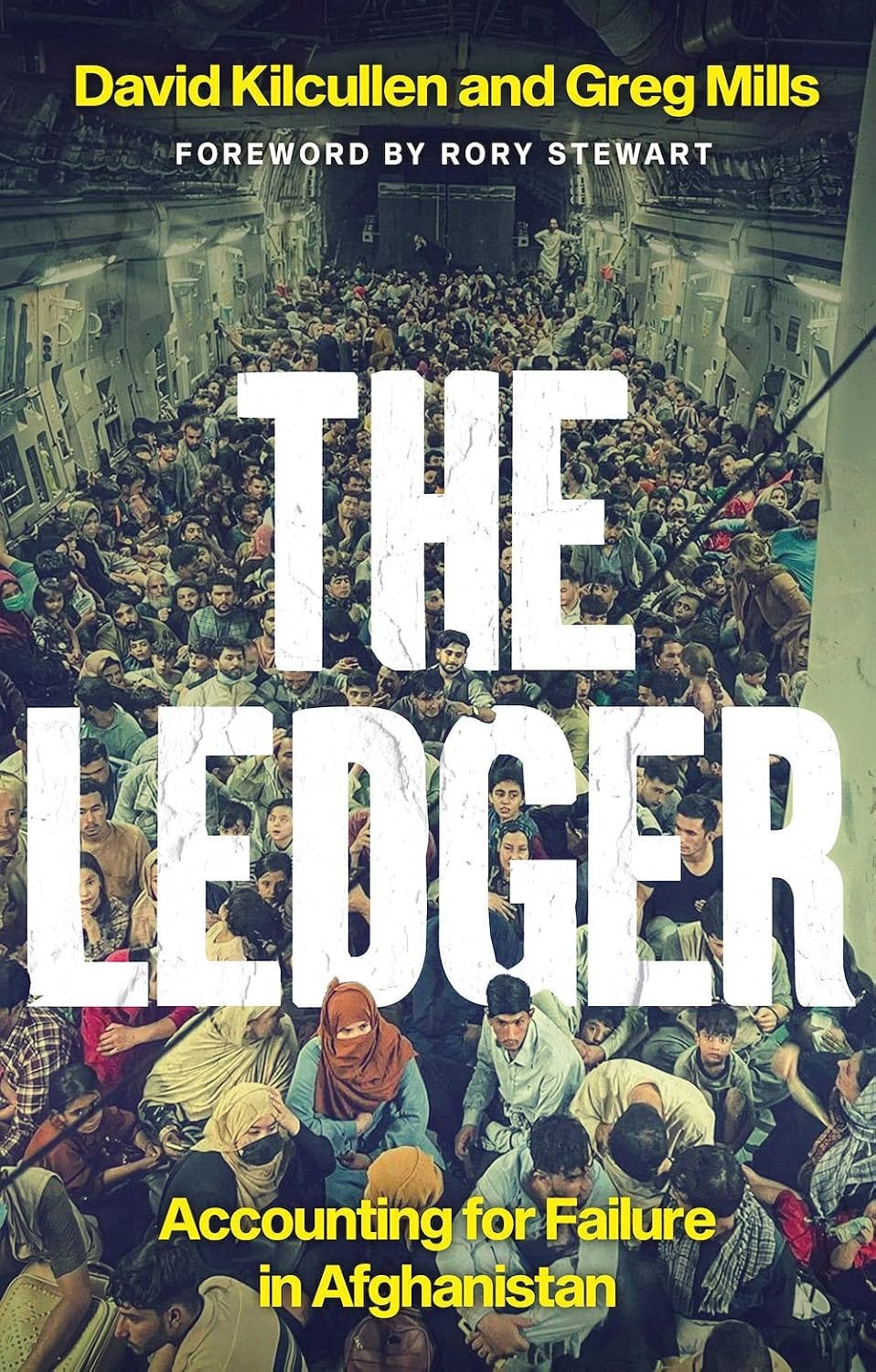
The Ledger: Accounting for Failure in Afghanistan by David Kilcullen and Greg Mills (2022)
The Ledger critically analyzes the Western intervention in Afghanistan, emphasizing the missteps that led to its ultimate failure. The authors, drawing on extensive experience, argue that a lack of coherent strategy, inadequate understanding of local dynamics, and failure to build effective institutions contributed to the collapse of governance. They highlight the importance of accountability and learning from past mistakes, advocating for a more nuanced approach to foreign intervention.
The book serves as a cautionary tale about the complexities of nation-building and the need for adaptable, context-sensitive strategies in conflict zones.
Read if you like: Military strategy, International relations, Historical analysis
The Withdrawal Iraq, Libya, Afghanistan, and the Fragility of U.S. Power by Noam Chomsky and Vijay Prashad (2022)
In The Withdrawal, Noam Chomsky and Vijay Prashad explore the complexities surrounding U.S. military interventions in the Middle East and North Africa. They argue that the withdrawals from Iraq, Libya, and Afghanistan reveal challenges in U.S. foreign policy, often resulting in unintended consequences and regional instability.
Chomsky and Prashad suggest that these military actions, while aimed at promoting security, frequently lead to deeper conflicts and affect perceptions of U.S. influence.
“Through the structure of a deeply engaging conversation between two of our most important contemporary public intellectuals, we are urged to defy the inattention of the media to the disastrous damage inflicted in Afghanistan on life, land, and resources in the aftermath of the U.S. withdrawal and the connections to the equally avoidable and unnecessary wars on Iraq and Libya.”—from the foreword by Angela Y. Davis
Read if you like: Essays, Geo-politics, Foreign policy, International relations, Historical analysis, Commentary
