

Chasing Ghosts Along the Niger
Nonfiction by Elizabeth Bird. "If you look to the east ... you can see the land whose struggle for independence launched the ferocity that took the lives of Martina’s family and so many more: Biafra."
This essay first appeared in our latest issue, Volume 17.2
Martina spoke urgently, leaning in toward me: “I want the world to know what happened—even my own children don’t know. God knows why I had to survive: so I would have a story to tell. And that’s what I’m telling you now.”
So she told me. About the rainy Saturday in 1967, when soldiers came to her home, in search of her father, a respected teacher. They dragged him into the street and shot him, leaving Martina and her sister to bring his body home for burial. By the end of that day, she had lost dozens of members of her extended family, slaughtered in an orgy of violence along with more than a thousand neighbors. By soldiers of their nation, armed by leaders of mine.
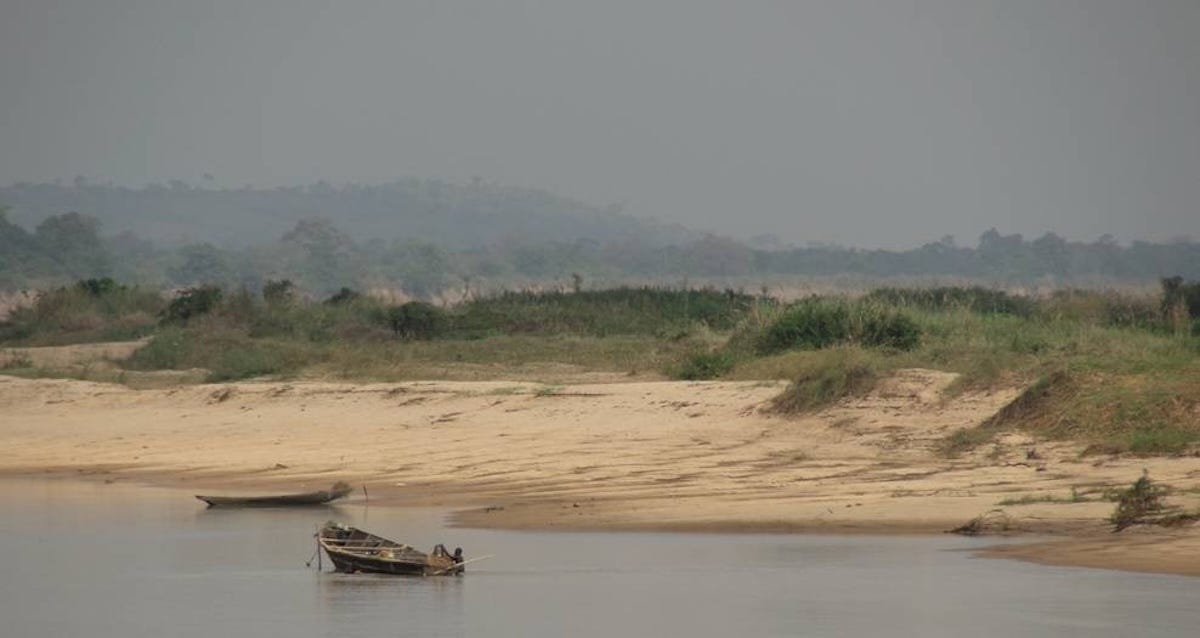
Martina told her story in Asaba, a Nigerian town perched on a bluff over the River Niger. If you look to the east, across the great river, you can see the land whose struggle for independence launched the ferocity that took the lives of Martina’s family and so many more: Biafra.
Biafra had been a foggy memory for me—stark images of starving children, legs like sticks and bodies bloated, their hollow-cheeked mothers holding them listlessly. The first starvation brought directly to the world’s living rooms. In my teenage self-absorption, I wasn’t paying much attention, but I knew that across Britain, communities were collecting money, food, and medical supplies to be airlifted into African villages. I did my bit by helping to collect wool and cotton recyclables for a children’s TV show, so they could buy a hospital truck. The sort of thing that makes us all feel better about ourselves.
Years later, listening to story after horrific story, and after digging in archives on three continents, I came to better understand the tragedy of Biafra. It was not the inevitable consequence of crop failure or nature run amok as the studiously neutral food drives seemed to imply. Nor was it some inexplicable “tribal” conflict, as much media coverage suggested. It was the work of humans, not gods, and my government was complicit. The butchery in Asaba was a prelude we never knew about—our leaders made sure of that. If we had known, things might have turned out differently for Biafra. But I am getting ahead of myself.
